
Europe rewards moving around and punishes anyone who planned connectivity country by country. Ten days can easily cross four borders, and in three of them nobody will check your passport.
First: do you already have this covered
If your mobile plan is from an EU or EEA country, "Roam like at home" applies. Your domestic allowance works across the bloc at domestic prices — rules in force since June 2017 and currently set to run to 2032. Nothing to buy.
There are edges. Fair-use limits apply to people effectively living abroad on a foreign plan, and the zone is the EU and EEA — not "Europe" as a continent. Switzerland and the UK are outside it.
For everyone else: one plan, not six
The mistake is buying a local SIM in each country. It means a shop in every capital, a new number every few days, and your own line switched off throughout.
A regional eSIM covers a list of countries on one install. You cross a border, the phone finds a new network, and nothing else happens. Regional versus country plans covers when a single-country plan is still cheaper.
The countries that catch people out
| Country | Why it matters |
|---|---|
| United Kingdom | Outside the EU since 2020. Not always in a "Europe" plan, and not covered by EU roaming rules. |
| Switzerland | Never been in the EU. Frequently excluded or charged separately, and very easy to pass through by train. |
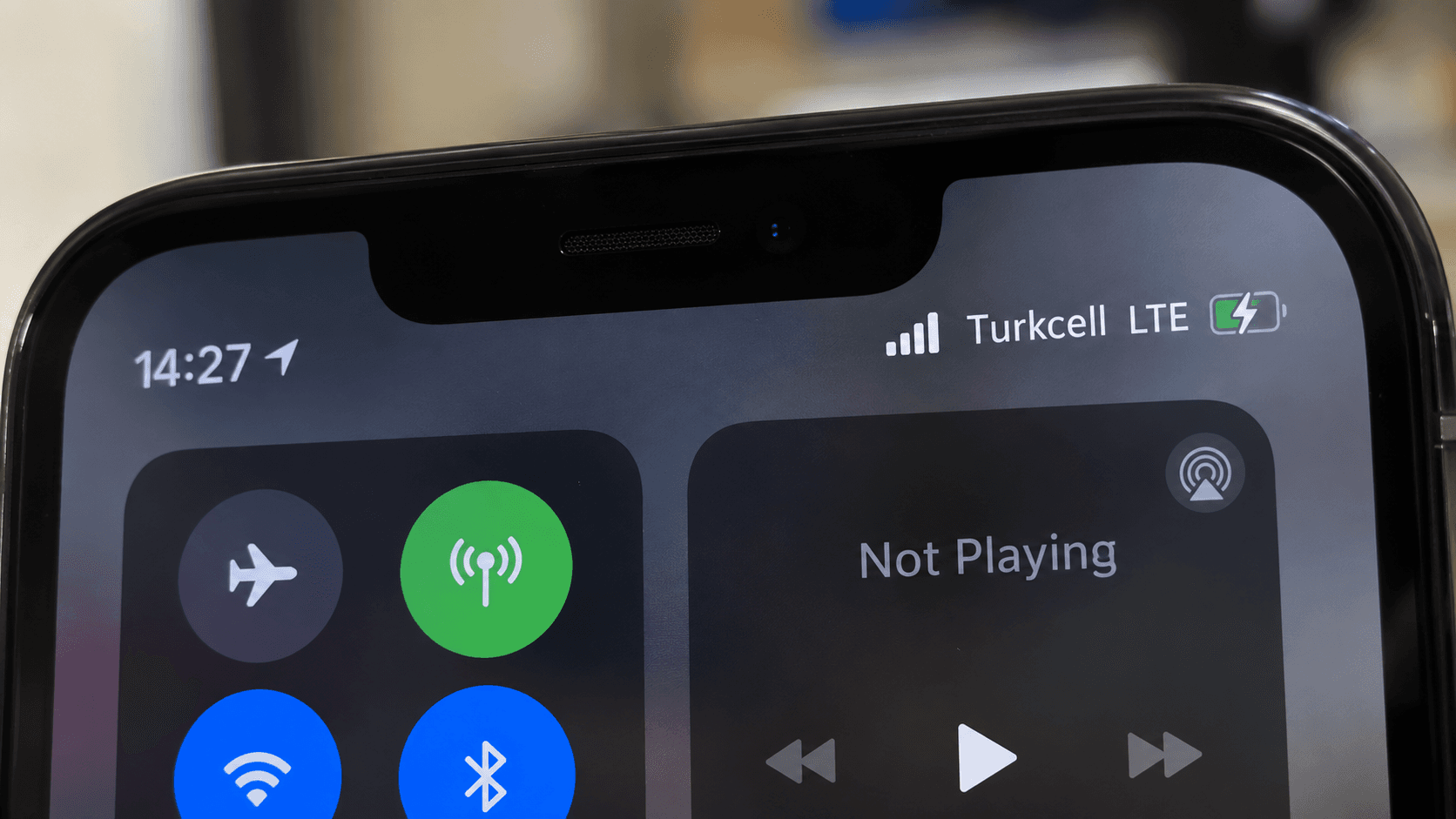
| Turkey | Classified as Europe by some plans, Middle East by others, neither by a few. |
| Western Balkans | Coverage varies country by country — check Serbia, Bosnia, Albania and Montenegro individually. |
| Norway and Iceland | In the EEA, so covered by EU roaming rules, and usually in regional plans. |
Trains, borders and tunnels
- Near a border, your phone may switch countries before you do. It connects to the strongest tower, not the nearest domestic one. A hotel a few kilometres from a frontier can put you on a foreign network.
- Long tunnels drop everything. The Alps are full of them. Download what you need for the journey.
- On-board Wi-Fi on high-speed lines is usually decent and occasionally excellent. Regional services are a lottery.
- Ferries are a different world — most run satellite links at satellite prices. Treat a crossing as offline.
A setup that survives the whole trip
- Buy one regional plan that covers every country on the list, with a validity period longer than the trip.
- Install it at home before you fly.
- Download offline maps for each city, not just each country.
- Turn roaming off on your home line for the whole trip.
- Keep the travel line on and set as your data line throughout.
Done once, that lasts until you fly home. The alternative — reconfiguring at every border — is the part of European travel nobody remembers fondly.