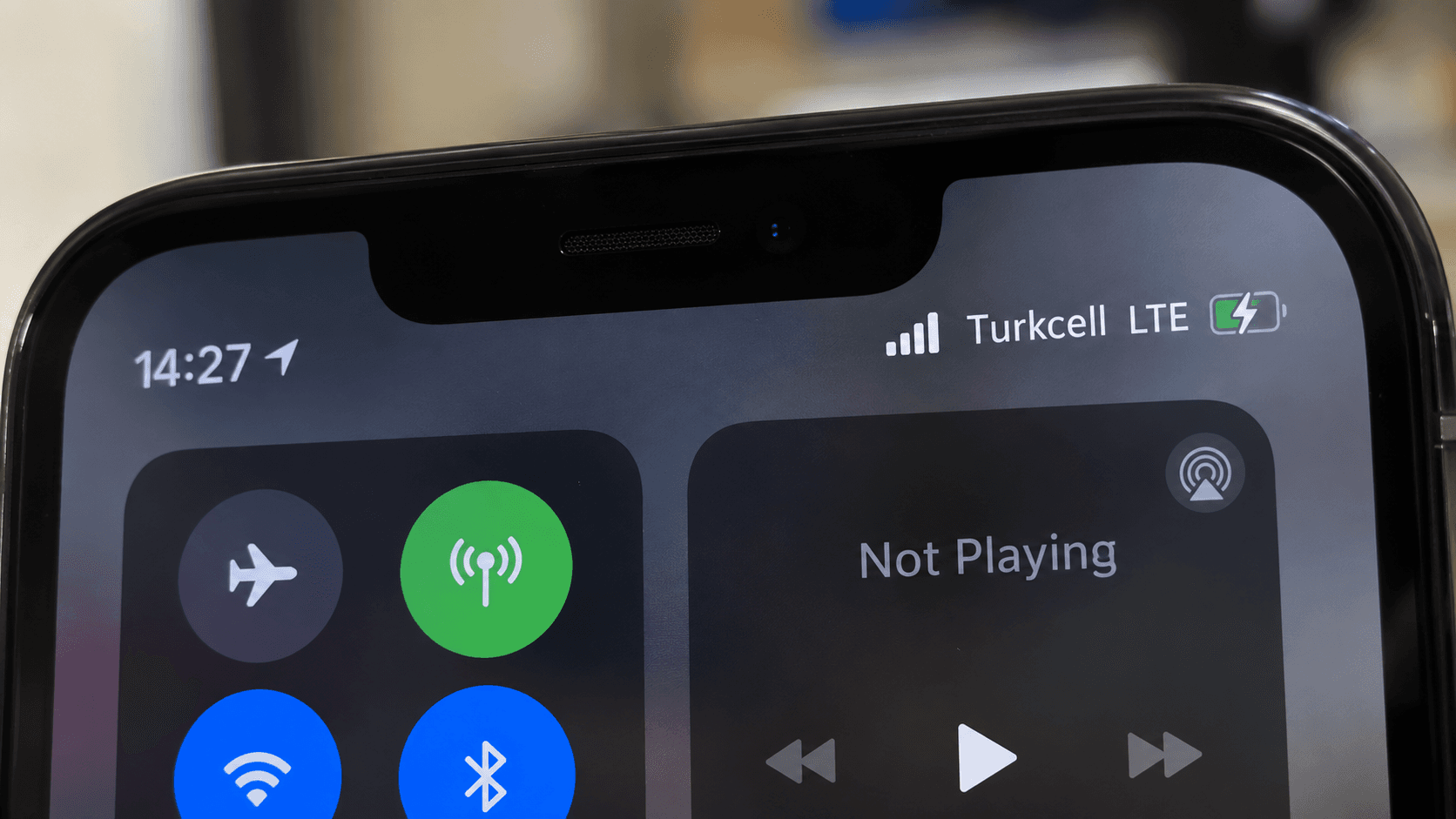
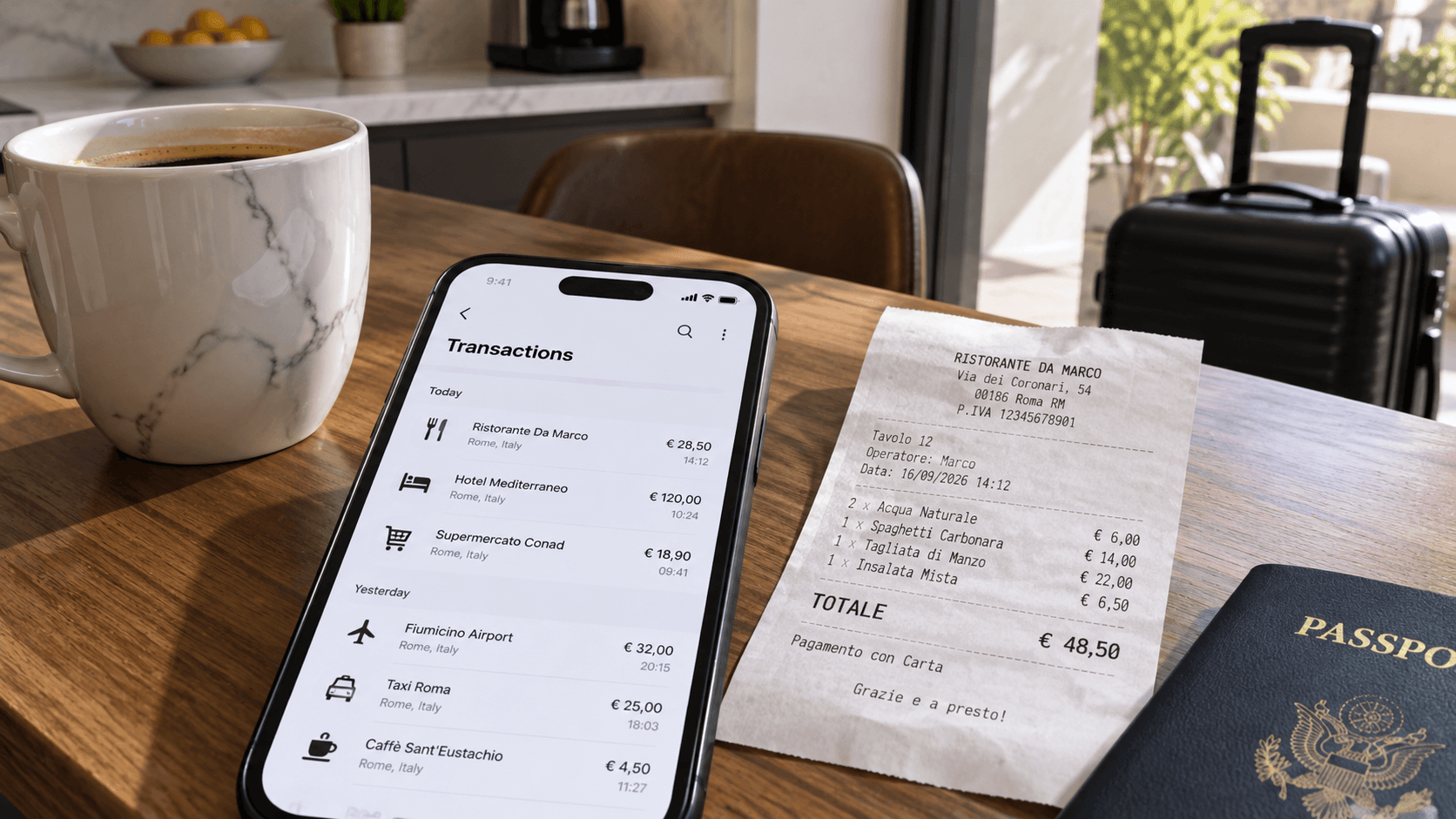
A travel eSIM and carrier roaming put your phone on exactly the same local masts. Nobody gets a better signal. The difference is entirely in the billing model, and the billing models are not close.
The two pricing models
Roaming day passes charge a flat fee for each day you use data abroad — commonly in the region of $10 to $15 depending on carrier and destination. Check ten minutes of email on a Tuesday and Tuesday costs the same as a day spent streaming.
Travel eSIMs charge for an amount of data over a validity period. A 3 GB plan costs the same whether you burn it in two days or spread it over ten.
A one-week trip
| Roaming day pass | Travel eSIM | |
|---|---|---|
| Charged for | 7 days of use | 3 GB over 7 days |
| Rough cost | 7 × $10–$15 = $70–$105 | A few dollars |
| If you use less | Same price | You could have bought less |
| If you use more | Same price | Top up, or buy larger up front |
| Your own number | Works | Works |
Over two weeks the gap roughly doubles on one side and barely moves on the other, because a 5 GB plan is not twice the price of a 3 GB one.
Where roaming genuinely wins
- Your plan already includes the destination. An EU plan inside the EU, or a premium plan with an international allowance. Nothing beats free.
- One or two days. A single day pass against the effort of installing anything is a fair fight.
- Your phone does not support eSIM. Then this comparison is academic — see how to check.
- You need your number to place calls locally. A data eSIM gives you data, not a dialling plan.
Where the eSIM wins
- Any trip longer than about three days. The arithmetic stops being arguable.
- Multi-country trips. One regional plan crosses borders; day passes are usually charged per country per day.
- Light users. If you mostly need maps and messaging, you are paying a heavy-user price on a day pass.
- Predictability. You know the total before you leave, which is not true of per-megabyte roaming.
The one thing to get right either way
If you buy an eSIM, turn data roaming off on your home line. The eSIM will work perfectly and you will notice nothing while your usual carrier bills you for a fortnight of background syncing alongside it. This is the most expensive mistake available in this entire subject, and it is one toggle.
The exact steps are in the iPhone and Android guides.
What about speed
Identical. Both are guests on the same local network. Speed varies with the network, the spectrum and how busy the cell is — not with whether your credentials arrived by QR code or by roaming agreement. Anyone claiming otherwise is selling something.